Vehicles are central to your work.
Your vehicles serve families in their time of need. But when they are outdated, unreliable, or the lease is up, where do you find the next one? Especially one you trust to represent your funeral home well?
PROUD DEALER OF


Experience the Shields Difference
-
Flexible Financing Sources We help you find the best deal to buy or lease.
Robust inventory and responsive delivery Get the perfect vehicle delivered quickly.
Fully Renewed Vehicles Our team reconditions every pre-owned vehicle.
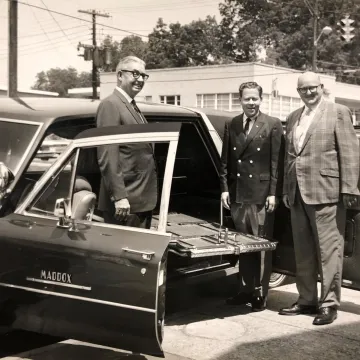
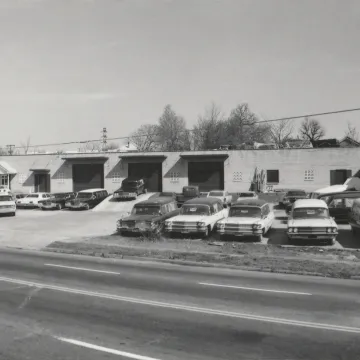
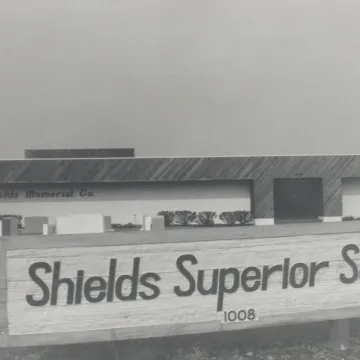
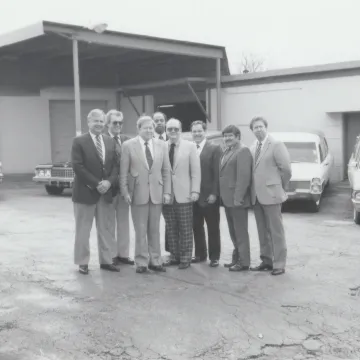
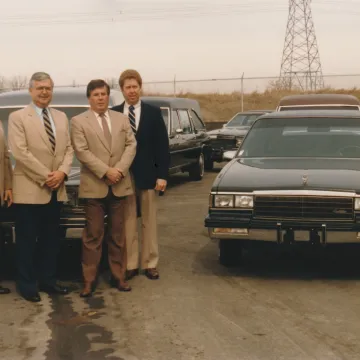
55 Years, 3rd generation Family-owned and operated since 1969.
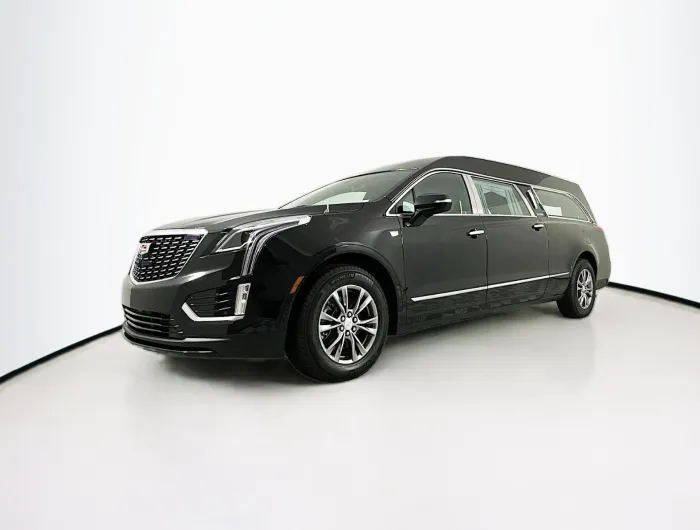

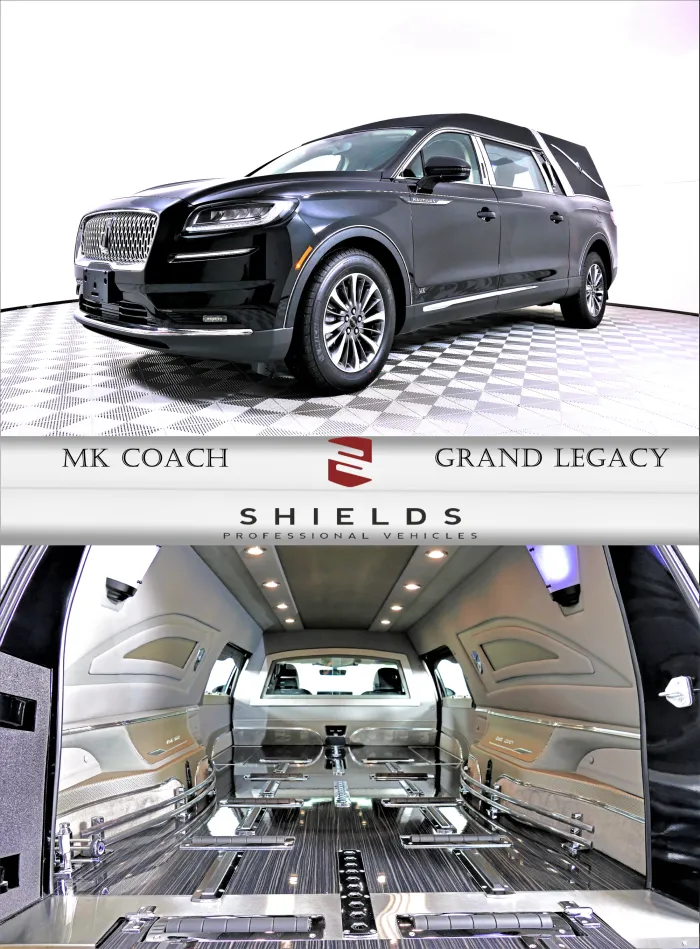
VEHICLE INVENTORY

WE MAKE IT EASY TO UPGRADE YOUR FLEET WITH IN-HOUSE FINANCING
YOU SHOULD BE KNOWN BY NAME WHEN BUYING YOUR NEXT VEHICLE. OUR IN-HOUSE FINANCING OPTIONS MEAN YOU FIND, BUY, AND MAINTAIN YOUR VEHICLE ALL IN ONE PLACE.
YOUR NEXT VEHICLE IS JUST ONE CALL AWAY
CHOOSE YOUR VEHICLE
OUR EXPERTS HELP YOU SELECT THE BEST OPTION FOR YOUR NEEDS.
GET IT DELIVERED
DRIVE WITH CONFIDENCE
SERVE YOUR CUSTOMERS WITH VEHICLES YOU TRUST.
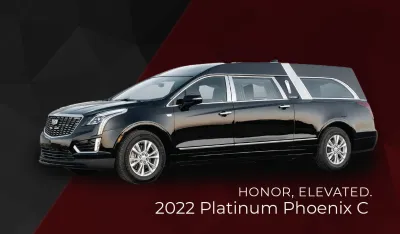
THE FINEST IN FUNERAL VEHICLES SINCE 1969
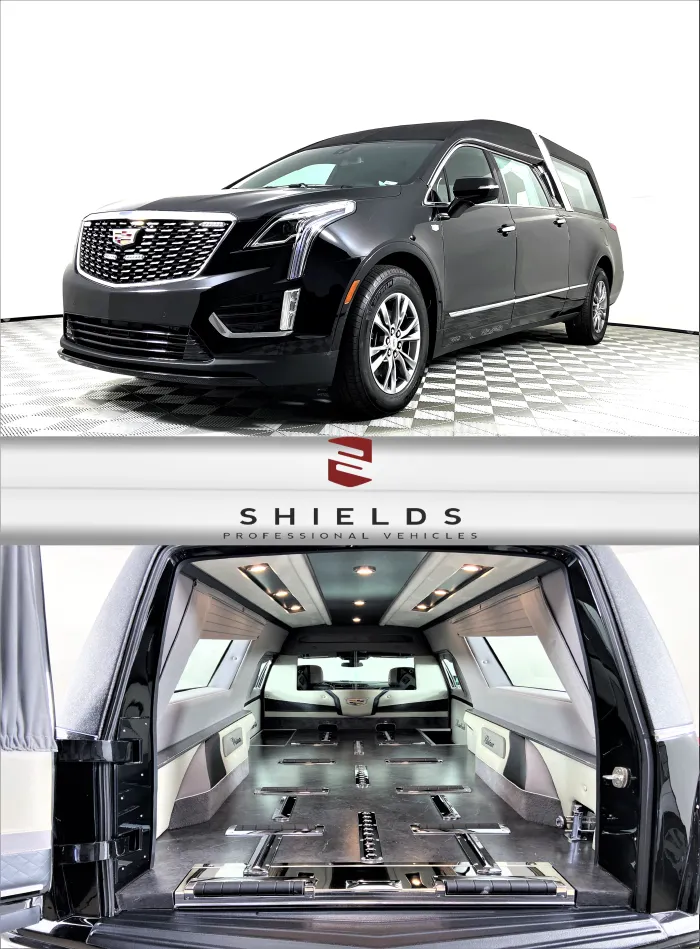
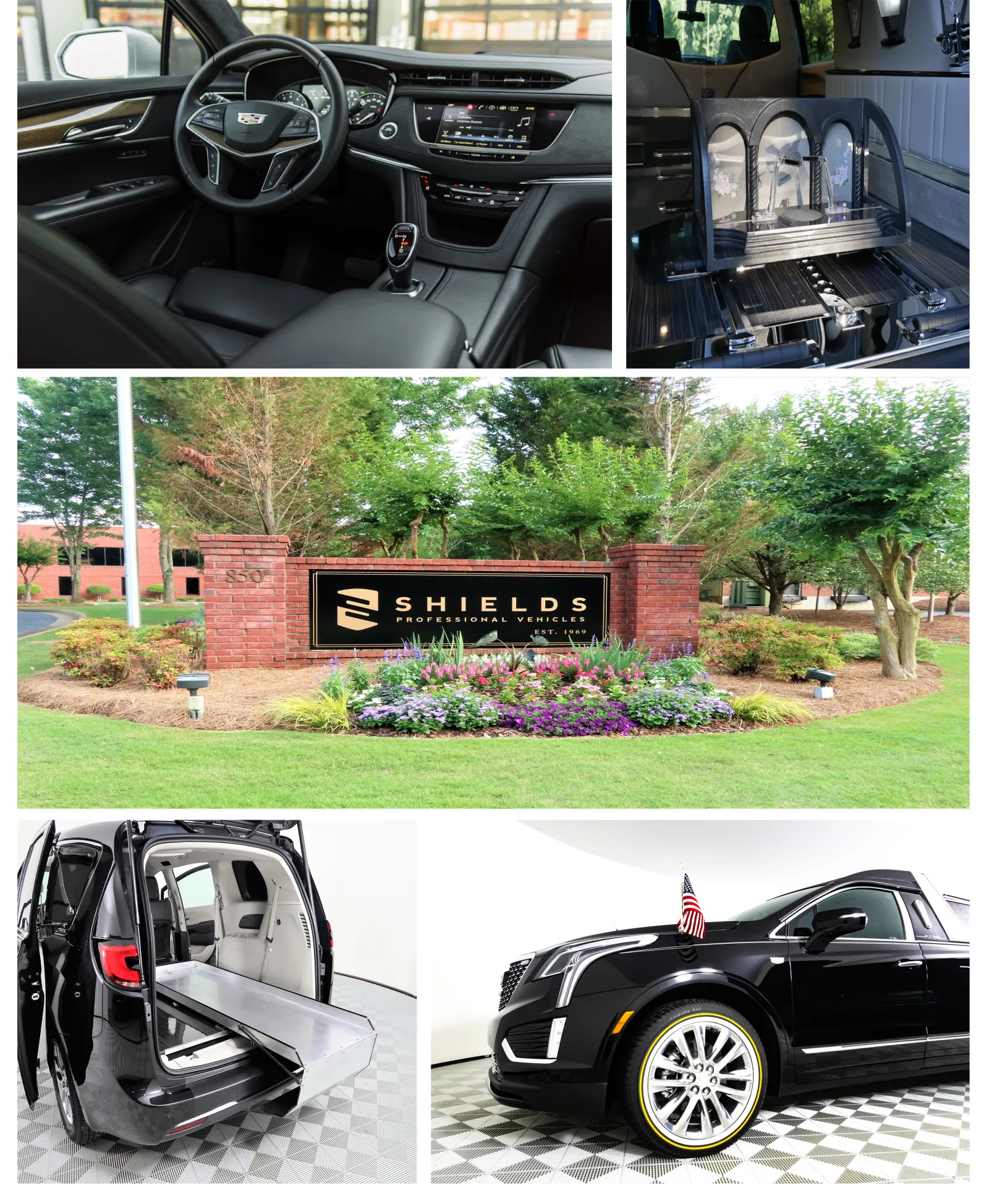
Since 1969, Shields Professional Vehicles has provided the finest vehicles in the funeral industry. As a distinguished award-winning dealership, we are driven to offer the absolute best in vehicles and customer service. We are a proud Master Dealer of the Kellerman family of vehicles, including Platinum, MK Coach, and K2 Vehicles. Additionally, we offer Federal and Eagle Coach's full lineup. These partnerships allow us to offer preeminent products while simultaneously providing a unique set of services such as parts, paint, and bodywork.
GET A PRE-OWNED VEHICLE THAT FEELS BRAND NEW. WE CALL IT CERTIFIED RENEWED.
INSPECTION PROCESS
ENGINE
INTERIOR
EXTERIOR INSPECTION
HEARSE

EACH VEHICLE GOES THROUGH A COMPERHENSIVE, RIGOROUS INSPECTION
WE STAND BEHIND OUR VEHICLES
We perform a rigorous 161 - point inspection on our pre-owned vehicles to ensure they are up to our and your high standards. We are factory authorized and can assist you from order through delivery to provide a trouble-free purchase. Because we are a high-volume dealer, we can offer tremendous discounts and quick delivery. We also do a complete top to bottom detail on the interior and exterior of the vehicles.
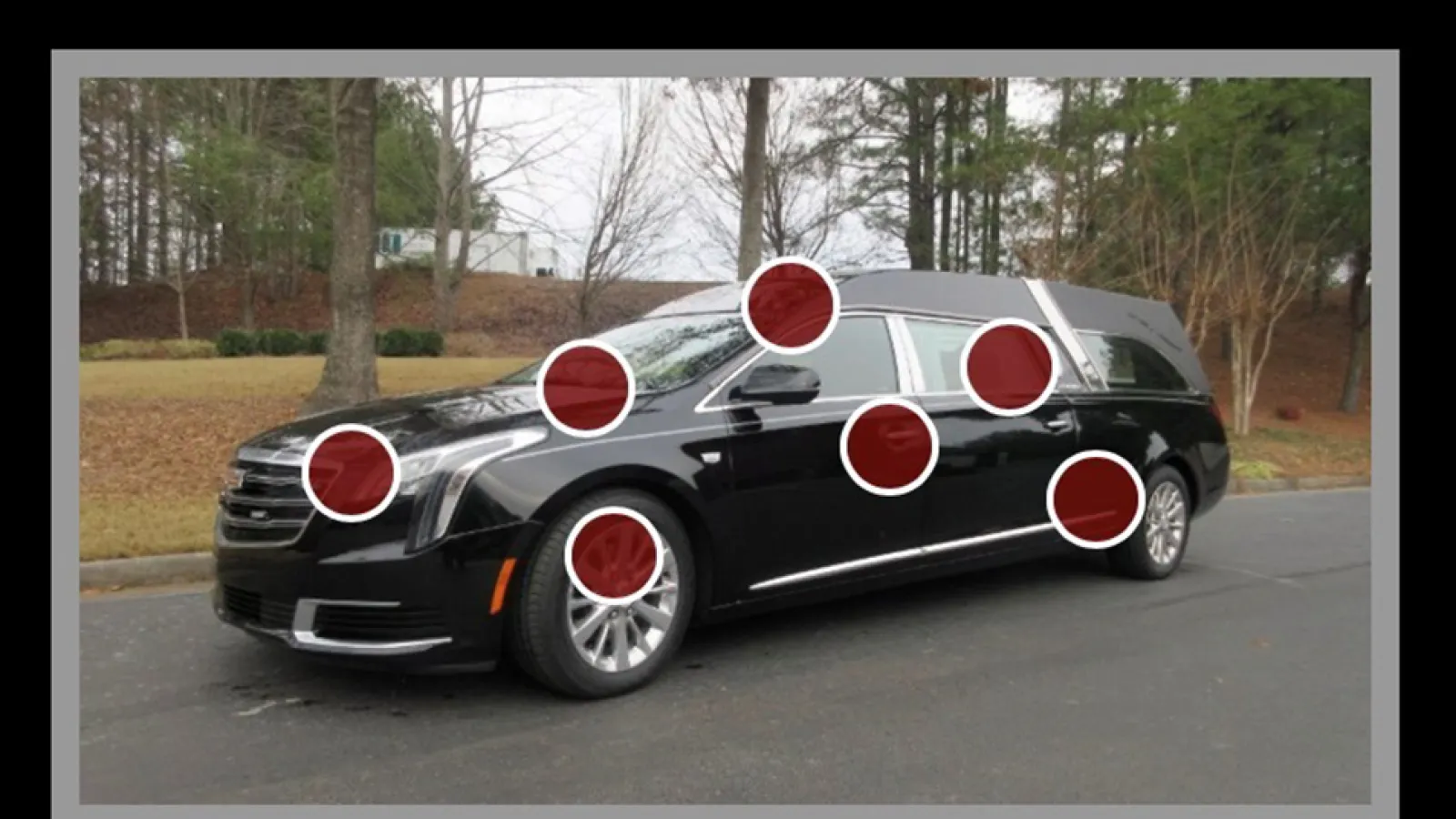
Headlights, Strobe Lights, and Horn
Wheels, Tires, and Brakes
Wiper Blades
Door Locks
Power Windows and Power Mirrors
Check for Leaks
Suspension System
ENGINE INSPECTION
ENGINE COMPARTMENT
CHANGE OUT FLUIDS AND FILTERS
TRANSMISSION OPERATION
ENTIRE BREAKING SYSTEM
AC/HEAT SYSTEMS
ENTIRE STEERING SYSTEM
ENGINE OPERATION
INTERIOR INSPECTION
DASH INSTRUMENTS
HORN
CRUISE CONTROL
DIAGNOSTIC SYSTEM
SEATBELTS
RADIO
SEATS
MIRRORS
EXTERIOR
HEADLIGHTS AND STROBES
DOOR HANDELS
ELECTRONIC LOCKS
WIPER BLADES
VISUAL EVIDENCE OF LEAKS
TIRES AND WHEELS
OVERALL CONDITION
ELECTRONIC WINDOWS
SUSPENSION SYSTEM
ADDITIONAL HEARSE INSPECTION
ROLLERS
BIER PINS
LOADING DOOR
FLOOR
IN STOCK VEHICLES
View All
Hearses
Limos
Vans
2024
2024 CHRYSLER VOYAGER FIRST CALL VAN COMING SOON!
2024
2024 CADILLAC PLATINUM LT LIMO ORDER YOURS TODAY
2024
2024 CADILLAC PLATINUM LIMO ORDER YOURS TODAY
2024
2024 CADILLAC PLATINUM PHOENIX RZ721313
2024
2024 CADILLAC FEDERAL HERITAGE RZ715536
2024
2004 CADILLAC PLATINUM PHOENIX RZ715958
2024
2024 CHRYSLER VOYAGER FIRST-CALL VAN RR131603
2023
2023 CADILLAC FEDERAL HERITAGE HEARSE PZ164601
2023
2023 CADILLAC PLATINUM PHOENIX PZ170943
2023
2023 CADILLAC PLATINUM PHOENIX PZ183758
2023
2023 CADILLAC PLATINUM PHOENIX HEARSE PZ225637
2023
2023 LINCOLN MK LEGACY HEARSE PBL12591
2023
2023 LINCOLN MK LEGACY HEARSE PBL12542
2023
2023 CADILLAC PLATINUM MASTER COACH PZ210368
2023
2023 LINCOLN MK LEGACY PBL12491
2023
2023 CADILLAC EAGLE KINGSLEY PZ226857
2023
2023 LINCOLN MK LEGACY LIMO PBL16938
2023
2023 LINCOLN MK LEGACY LIMO PBL12698
2021
2021 CADILLAC PLATINUM MASTER COACH MZ189590
2019
2019 CADILLAC PLATINUM PHOENIX K9500201
2019
2019 CADILLAC PLATINUM PHEONIX K9500573
2019
2019 CADILLAC PLATINUM PHEONIX K9500460
2019
2019 CADILLAC PLATINUM PHOENIX K9500539
2018
2018 LINCOLN MK LIMO JBL02356
2018
2018 CADILLAC PLATINUM PHOENIX-C J9500260
2018
2018 CADILLAC PLATINUM LIMO J9550108
2018
2018 CADILLAC PLATINUM LIMO J9550081
2018
2018 CADILLAC PLATINUM RAISED ROOF LIMO J9550226
2017
2017 CADILLAC EAGLE LIMO H9550066
2017
2017 CADILLAC PLATINUM LIMO H9550044
2017
2017 CADILLAC PLATINUM LIMO H9550419
2017
2017 CADILLAC EAGLE LIMO H9550416
2017
2017 CADILLAC PLATINUM LIMO H9550152
2017
2017 CADILLAC PLATINUM LIMO H9550365
2017
2017 CADILLAC PLATINUM LIMO H9550419
2017
2017 CADILLAC PLATINUM LIMO H9550436
2016
2016 LINCOLN EAGLE MKT LIMO GBL00193
2015
2015 CADILLAC SUPERIOR HEARSE F9500258
2015
2015 DODGE GRAND CARAVAN FIRST-CALL FR640137
2011
2011 Eagle Cadillac Limo BU550120
2011
2011 CADILLAC DTS 6 DOOR LIMO BU550142
2010
2010 CADILLAC SUPERIOR STATESMAN AU500265
2009
2009 CADILLAC KRYSTAL KOACH LIMO 9U550200
2006
2006 CADILLAC 6 DOOR LIMO 6U550277
OUR TEAM